If you’re anything like me—a footballer knocked and nicked from years trudging up muddy pitches and sitting in cold rehab rooms—you’ve probably found yourself in a familiar, frustrating cycle. You tweak something during training or a match, maybe a dodgy knee or a sore ankle. The advice? “Just rest it for a week.” So you do. You sit on your hands, maybe hobble around, and wait for the pain to settle. But the moment you lace up your boots and get back on the pitch, the old pain flares up worse than ever.
This cycle is all too common in football culture, especially in the lower leagues, where toughness and pushing through pain are badges of honour, and “resting it” is often the go-to advice that rarely helps. In this post, I’ll break down why this happens, what’s actually going on with your body, and why a different approach—centered around graded loading and active rehab—is the key to staying on the pitch and out of the physio’s chair.
Football Culture: The Stigma Around Reporting Pain
In football, especially at the grassroots and semi-pro levels, there’s a long-standing culture that often equates reporting pain or taking time off as a sign of weakness. Players are encouraged to “play through the pain,” while medical staff sometimes face challenges getting athletes to be honest about how they’re really feeling.
This culture fuels two damaging outcomes:
- Delayed or incomplete reporting: Players try to push through an injury until it worsens. Suboptimal rest and rehab: Without honest communication, rest periods can be random, ill-timed, or too short.
We need to flip that script. Pain is your body’s warning system—not an enemy to be ignored. Taking note early, and addressing the pain properly, can save you weeks, even months, of downtime later.
Why Does Pain Flare After Rest?
“Just rest it” sounds like the sensible advice. Yet so many players find that resting for a week or more leads to a flare-up the moment they resume playing. What gives?
1. Imperfect Healing
When you injure tissue—whether it's a ligament, tendon, cartilage, or muscle—the body begins healing, but it rarely restores tissue to its original strength immediately. The repair process leaves the tissue weaker, disorganized, and prone to reinjury if exposed to the same loads too soon.
Rest reduces pain by calming inflammation and giving injured tissues time to start repairing, but it doesn’t complete that process. Jumping back into full training or matches too quickly then overloads these weakened tissues, triggering a pain flare.
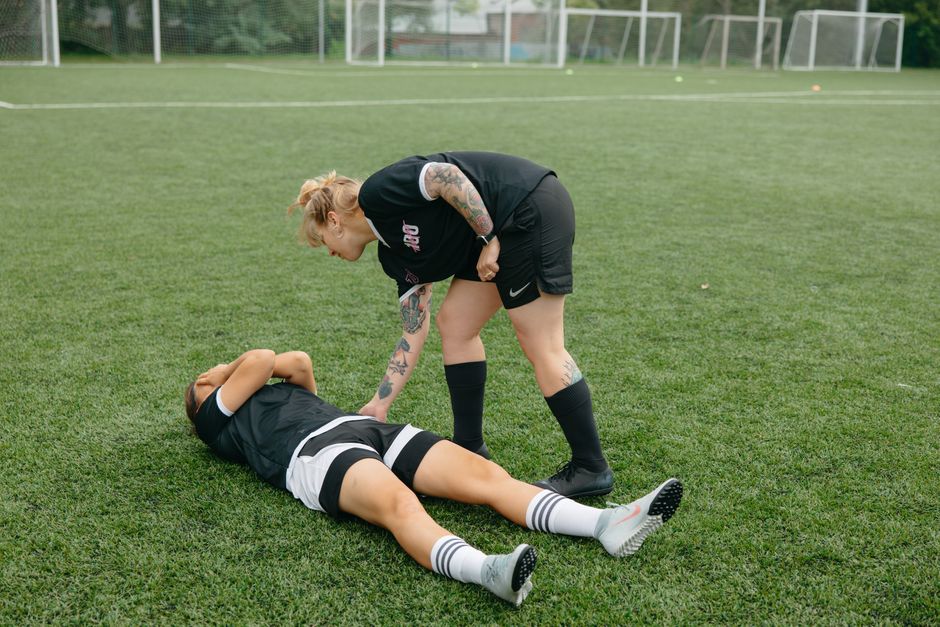
2. Cumulative Loading and Deconditioning
Another hidden culprit is cumulative loading—or to put it simply: your body’s conditioning during rest. When you "rest it" completely, your muscles, tendons, and joints all start to lose strength and flexibility. This deconditioning means that when you return to play, tissues are less prepared to handle the demands of football, making pain flares more likely.

Think of it like a car left unused in a garage for a week before a long, bumpy drive—parts aren’t optimally lubricated or ready to cope with stress.
3. Central Sensitisation: When the Brain Amplifies the Pain
Sometimes pain outlives the original injury not because of ongoing tissue damage, but because the nervous system becomes hypersensitive—a phenomenon called central sensitisation. The brain essentially turns up the volume on pain signals, making even mild stimuli hurt more.
Resting in isolation without active rehab can unintentionally contribute to this hypersensitivity by increasing focus on the pain, reducing movement, and creating fear around pain. The result? Return to play triggers a big pain flare, even if the tissue damage itself has started healing.
Long-Term Outcomes: What Happens if You Keep Repeating This Cycle?
Ignoring pain and cycling between rest and overloading can have serious consequences down the line:
- Osteoarthritis: Repeated joint injuries and inadequate rehab increase the risk of developing osteoarthritis, where cartilage breakdown leads to chronic joint pain and reduced mobility. Persistent Pain: Pain that sticks around beyond the usual healing window becomes complex, involving changes in the nervous system and psychology, making it harder to treat. Reduced Performance and Early Retirement: Chronic pain and joint issues can cut short careers and sap enjoyment from the game.
It’s why understanding the underlying mechanisms and taking a structured, evidence-based approach to return-to-play is crucial.
The Better Way: Active Rehabilitation with Graded Loading
Rather than simply resting until the pain goes away, the current best practice is to engage in active rehabilitation, which involves gradual, controlled loading of the injured tissue to encourage its repair and build strength without triggering excessive pain.
What Is Graded Loading?
Graded loading means progressively increasing the amount and intensity of physical activity based on how your pain and function respond. It’s about finding the sweet spot of stress that promotes healing rather than aggravating the injury.
For footballers, this usually means working with physiotherapists or clinicians to design a tailored program that progressively builds strength, flexibility, and proprioception (your body’s sense of position), building back up to match-level intensity.
Why Graded Loading Works
- Improves Tissue Quality: Controlled stress guides the formation of stronger, better-organized tissues. Prevents Deconditioning: Keeps muscles and joints primed to handle real-game stresses. Resets the Nervous System: Gradual, non-painful movement helps reduce central sensitisation and fear of movement.
Practical Steps You Can Take Right Now
Stop the ‘Just Rest It’ Cycle: Instead of complete rest, focus on modified activity that keeps the joint moving and muscles engaged without sharp pain. Track What Changed Over the Last Six Weeks: Pain flares rarely happen out of the blue. Did you increase training intensity? Change boots? Play surface? Pinpointing these triggers helps tailor rehab. Start a Graded Exercise Program: This might include:- Light cycling or swimming to maintain fitness without load Specific strengthening exercises targeting weak muscle groups Balance and proprioception drills (think single-leg stands, wobble boards)
Medical Cannabis: A New Frontier in Chronic Pain Management?
For some players struggling with persistent pain after injury, the conversation is expanding beyond conventional treatments. Medical cannabis has been increasingly explored as a potential option for pain relief, especially when traditional medications offer limited benefits.
In the UK, medical cannabis is tightly regulated. The UK Anti-Doping Agency (UKAD) provides guidance for athletes on the legality of medical cannabis products. Some private clinics now offer pathways to access medical cannabis legally after thorough assessment.
It’s important to emphasize that medical cannabis should never be a first resort—it’s part of a broader pain management plan and Website link should always be prescribed under medical supervision.
Additional Resources
- UKAD Guidance on Medical Cannabis Example Private Clinic Pathway for Medical Cannabis (Note: availability varies)
Final Thoughts
The football world has a long way to go in shifting attitudes about pain and injury. "Just rest it" is outdated, often ineffective advice that can trap players in frustrating cycles of flare-ups and setbacks.
Instead, we need honest conversations about pain, tailored graded loading programs, and multidisciplinary approaches that consider the whole player—not just their injury.
Remember, pain is a signal, not a stop sign. With patience, the right approach, and support, you can get back on the pitch stronger and more resilient—not just patched up for a quick fix.
So next time your knee or ankle flares after a week of rest, ask yourself: what changed in the last six weeks? From there, seek a graded, active rehab plan rather than hiding in the dugout hoping for magic.
Stay strong, stay sensible, and keep the boots on.