As a Licensed Clinical Social Worker with over a decade of experience in outpatient psychotherapy, there is one question I hear more than almost any other: "Why can’t I just stop?" Whether it’s mindless scrolling until 2:00 AM, stress-eating, or procrastinating on tasks that actually matter, the cycle feels agonizing. You hate the habit, you recognize the consequences, yet you find yourself doing it anyway.
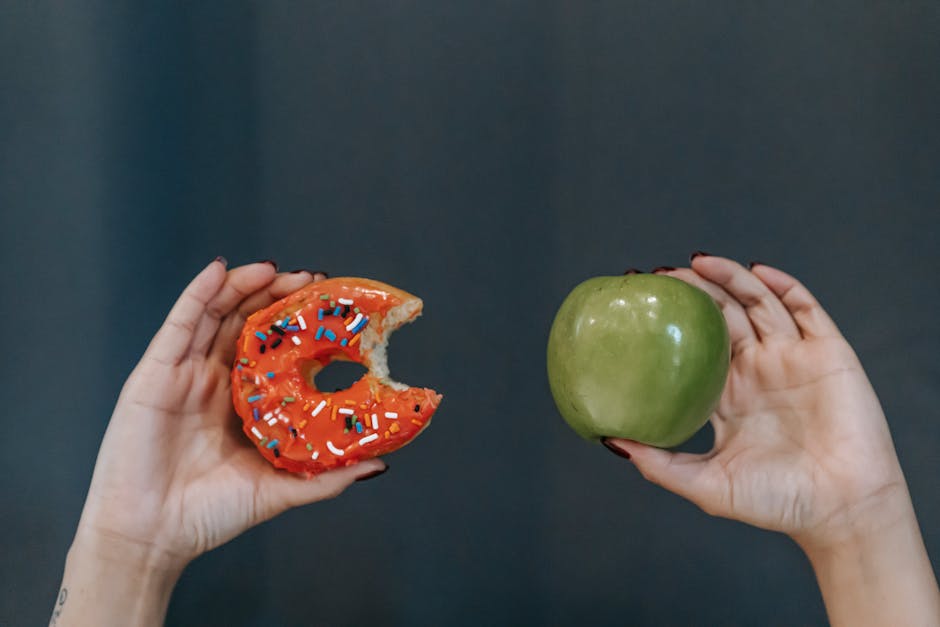
When you feel trapped in this loop, it is easy to assume you lack willpower or that you are inherently "lazy." I am here to tell you that this is not a character flaw. It is a biological phenomenon. Understanding dopamine habit formation and the mechanics of reward learning is the first step toward breaking the cycle.
Dopamine: The Great Misunderstood Molecule
If you have spent any time on social media, you have likely seen "dopamine hacks" promised by influencers who turn complex neuroscience into one-liners. They treat dopamine like a "pleasure molecule." They are wrong.
In clinical practice, we focus on the fundamental distinction: Anticipation vs. Pleasure. Dopamine is not about the joy you feel *after* you get what you want; it is about the "wanting" or the motivation to pursue a reward. It is a prediction error signal that tells your brain, "Hey, this might be important—pay attention."
When you engage in a "bad" habit, your brain isn't necessarily seeking pleasure; it is seeking the release of tension that comes from the *anticipation* of a result. This is why you can feel bored or anxious while engaging in a habit you don't even enjoy. Your brain is simply following a well-worn synaptic pathway.
The Neuroscience of Behavior Reinforcement
Your brain is a survival machine. It is designed to be efficient, which means it looks for patterns that lead to rewards—like food, social connection, or relief from stress—and https://bizzmarkblog.com/can-dopamine-issues-cause-mood-swings-or-irritability/ it automates them. This is the core of behavior reinforcement. Over time, these pathways become so deeply ingrained that the habit occurs before your conscious, logical brain (the prefrontal cortex) has a chance to say "no."
How Social Media Feeds Hijack Your System
Modern technology has essentially turned our natural reward systems against us. Short-form video platforms and infinite social media feeds are engineered specifically to exploit the dopamine system through a concept called *intermittent reinforcement*.
Because you never know if the next video will be funny, educational, or annoying, your brain remains in a constant state of high-alert anticipation. It’s the same psychological principle that makes slot machines addictive. You aren't "weak" for getting sucked into a feed; you are interacting with a system designed to keep you in that loop of perpetual anticipation.
Understanding the Executive Function Gap
Your executive function is the "CEO" of your brain. It handles planning, impulse control, and long-term goal setting. However, your executive function requires significant metabolic energy. When you are tired, stressed, or emotionally depleted, your executive function goes offline. That is exactly when those "bad" habits take the wheel.
If you find that your habits are consistently impeding your ability to function in daily life, please remember that this is a sign to seek support. A qualified clinician can help you determine if these patterns are symptomatic of underlying issues like ADHD, anxiety, or burnout. Gentle reminder: If your symptoms persist or feel unmanageable, please consult a licensed mental health professional.
The Role of Sleep in Dopamine Balance
We often treat sleep and behavior as two separate silos, but they are intrinsically linked. Dopamine receptors in the brain need a "reset" period. If you are sleep-deprived, your brain struggles to regulate its dopamine sensitivity. This leads to:
- Reduced impulse control. Increased cravings for high-stimulation behaviors. A diminished ability to derive satisfaction from "slow" rewards, like reading or working on a long-term project.
The Truth About "Dopamine Hacks" and Supplements
I find it deeply problematic when online content suggests that a specific supplement can "fix" your behavior or reset your brain chemistry overnight. There is no magic pill for discipline. While companies like Joy Organics provide educational resources to help people understand the science behind supplements and their potential role in a wellness routine, it is vital to approach all health claims with healthy skepticism.
Supplements may support your biology, but they do not replace the cognitive work of rewiring habits. Relying on a supplement to fix a habit issue often leads to "overpromising," where we expect the pill to do the work that actually requires slow, intentional change.
Comparing Dopamine-Driven Behaviors
Behavior Type Mechanism Impact on Executive Function Short-term Stimulation High anticipation, low satiety Depletes focus and mental energy Long-term Goal Pursuit Low anticipation, high satisfaction Builds capacity and neural resilience Restorative Rest Biological homeostasis Restores executive controlMoving From Frustration to Action
If you want to break a habit, you cannot rely on "willpower"—that is just another https://highstylife.com/why-does-my-mood-improve-after-i-clean-up-my-sleep-schedule/ way of saying "hoping your prefrontal cortex wins every time." Instead, you need to change your environment to remove the need for willpower.
Identify the Trigger: What is happening right before you engage in the habit? Is it a specific time of day? A feeling of loneliness? Boredom? Increase Friction: If you are struggling with social media feeds, move the app off your home screen or use an app blocker. Make the "bad" habit harder to perform. Decrease Friction for Good Habits: Want to exercise? Lay your clothes out the night before. Practice Self-Compassion: Shame is a powerful trigger for the dopamine-seeking loop. When you inevitably slip up, acknowledge it without berating yourself. Shame actually shuts down the prefrontal cortex, making it *more* likely that you will repeat the behavior.Final Thoughts
You are not broken. You are a human being with a brain that evolved to survive in an environment very different from the one we live in today. When you find yourself repeating habits you hate, you aren't failing—you are reacting to a world that is designed to trigger your ancient reward systems.
Take it slow. Focus on small, systemic changes rather than grand, sweeping resolutions. And most importantly, if you find that you are struggling to break free from cycles that cause you genuine distress, please reach out to a licensed clinician. You don’t have to navigate these neurobiological patterns alone.
Disclaimer: This article is for educational purposes and does not constitute medical or psychiatric advice. If you are struggling with compulsive behaviors or symptoms that interfere with your daily life, please reach out to a qualified mental health professional or your primary care physician to discuss your specific needs.