We live in an era of "micro-search." You’re on the bus, you feel a lingering ache or have a question about a medication dosage, and your thumb automatically hovers over your phone screen. You head to TikTok or YouTube to see if others are experiencing the same thing. While these platforms can be great for community support, they are rarely the place for clinical decision-making. That job belongs to your patient portal.
After 11 years of working with UX teams to redesign health platforms, I’ve learned one absolute truth: if it doesn’t work on a phone, it doesn’t work at all. We aren't sitting at desks waiting for paper mail anymore. We need our health information TikTok health advice to be as mobile as we are.
But not all portals are created equal. Some are bloated, confusing messes of jargon, while others are sleek, secure gateways to your own medical data. Here is what you should actually be looking for when evaluating your provider's digital tool.
The Shift to Mobile-First Health Management
Ten years ago, we talked about "e-health" as something you logged into on a desktop. Today, your smartphone is your primary health hub. We demand instant access. When you search for information on Healthline, you expect clear, plain-language summaries. You should expect that same level of UX when you log into your clinical portal.
If you have to pinch and zoom to read your lab results or if the navigation menu disappears on a mobile browser, that is a red flag. A secure portal should be built with "responsive design"—meaning it adjusts to your screen size automatically without losing functionality. If the tech team hasn't invested in the mobile experience, they likely haven't invested in the security architecture either.
The "Must-Have" Features for a Modern Portal
When I test a patient portal, I look for three specific pillars. If a portal is missing these, it’s not serving the patient—it’s just a digital filing cabinet.
1. Secure Messaging Platform
Forget standard email. Email is not HIPAA-compliant or GDPR-compliant in most contexts. A secure messaging platform within your portal ensures that your questions about symptoms or side effects stay encrypted. You should be able to send a message to your clinical team and receive a notification when they reply—all without leaving the app.
2. Appointment History Access
How many times have you been in a pharmacy or a different specialist’s office, trying to remember when you last saw your primary provider or what the exact diagnosis code was? Having appointment history access at your fingertips is vital for continuity of care. It prevents the "I think it was last July?" game that slows down medical intake.
3. Prescription Updates
Waiting on a refill shouldn't feel like a mystery box. A high-quality portal provides real-time prescription updates. You should know exactly when a request has been received, when it’s been reviewed by a clinician, and when it’s ready for the pharmacy. If you are left guessing, the portal is failing you.
The Mainstreaming of Specialized Care: A Case Study
One of the most interesting shifts I’ve tracked in the last few years is the mainstreaming of cannabinoid education. It’s no longer a niche conversation; it’s clinical care.
Take Releaf, for example. As the UK's most reviewed cannabis clinic, they’ve had to bridge the gap between complex clinical requirements and a user base that is used to modern digital experiences. Because the treatment involves specific, ongoing patient monitoring, their portal has to be more than just a message board—it acts as a clinical partner.
When you look at specialized clinics, look for this "clinical integration" in their portals. If the provider is treating something that requires ongoing adjustment, their portal must reflect that by offering clear tracking of your history and active, transparent prescription spotting fake wellness news online management.
The "Wellness" vs. "Clinical" Trap
I keep a running list of "wellness buzzwords" that annoy me. Words like "detox," "cleanse," "biohacking," or "optimized" often appear on platforms that look like medical portals but lack the regulatory backbone.
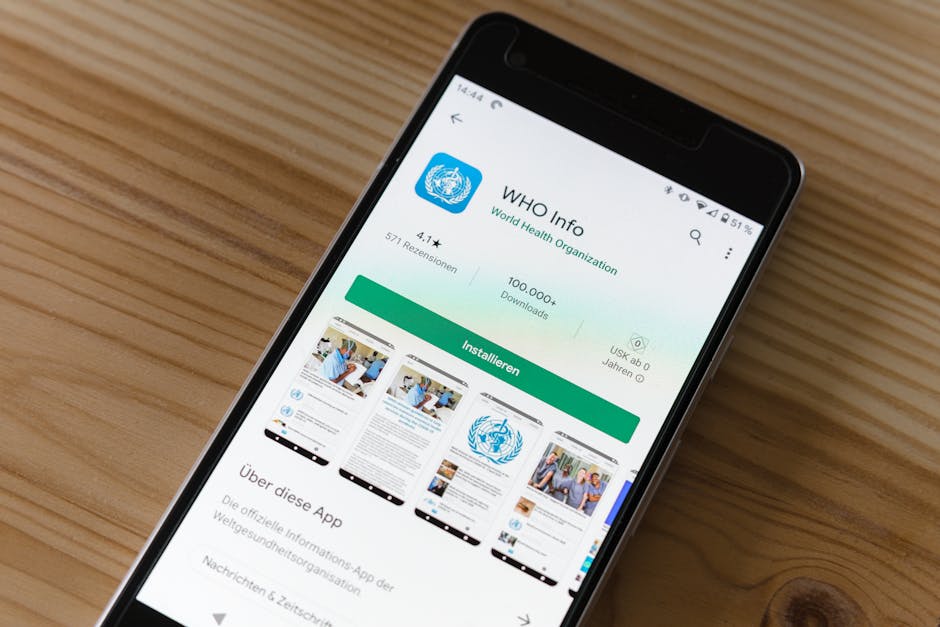
Always check the footer. If you can't find a clear statement regarding who is reviewing the medical information, or if the "about" page is just marketing fluff rather than clinical credentials, be careful. A secure portal will always link to:
- The clinical guidelines they follow. Information about their medical directors or advisory boards. A clear, accessible privacy policy that explains how your data is used (and that it isn't being sold).
Comparison: What to Look For
Feature High-Quality Portal Low-Quality Portal Mobile UX Works flawlessly on any phone browser. Requires desktop for certain tasks. Messaging Encrypted, HIPAA/GDPR compliant. Standard "Contact Us" web form. Prescriptions Clear, real-time status updates. "Will contact you shortly" (no update). Data Access Full historical access to appointments/notes. Limited to current appointment only.Final Advice: Trust, but Verify
Before you commit to a clinic or a digital health service, do the "phone test." Go to their website on your phone. Attempt to find the login button. If it’s buried under three menus, that’s how your experience will be every single day. If the language is fear-mongering—using phrases like "the one thing you must do to avoid illness"—run the other way. Real medicine is about empowerment, not panic.
We are moving toward a future where our health data is truly ours. By demanding better portals—ones that prioritize clear communication, easy access to our own histories, and robust security—we push the entire industry to do better. Use the tools available to you, but never outsource your health literacy to an algorithm. Your phone is a tool, but your clinical team is your partner. Choose a portal that helps that partnership thrive.
Medical Disclaimer: Always verify medical advice with your personal physician. The information provided here is for educational purposes regarding digital health UX and does not constitute medical advice or diagnosis.
