Mould shows up in our homes, and it always sparks the same questions. Is it just dirt and grime we can scrub away? Or is it a sign something deeper—like poor ventilation—is making our living spaces unhealthy? After over a decade translating contractor jargon into homey advice for humid climates like Singapore’s, I’ve learned that mould is rarely just about cleaning. It’s often a symptom of flawed design, unsuitable materials, or airflow problems that need better planning. In this post, we'll dig into ventilation planning the root causes of mould, focusing on why mould returns, mould ventilation, and what mould prevention design really means for your home’s health.

The Real Story Behind Mould: Not Just Dirt
Lots of homeowners treat mould as though it were simply a surface stain or some debris to clean. They reach for bleach or antifungal sprays, clean it off, and hope the problem is solved. But come next month or after the next heavy rain, the mould reappears. Why?
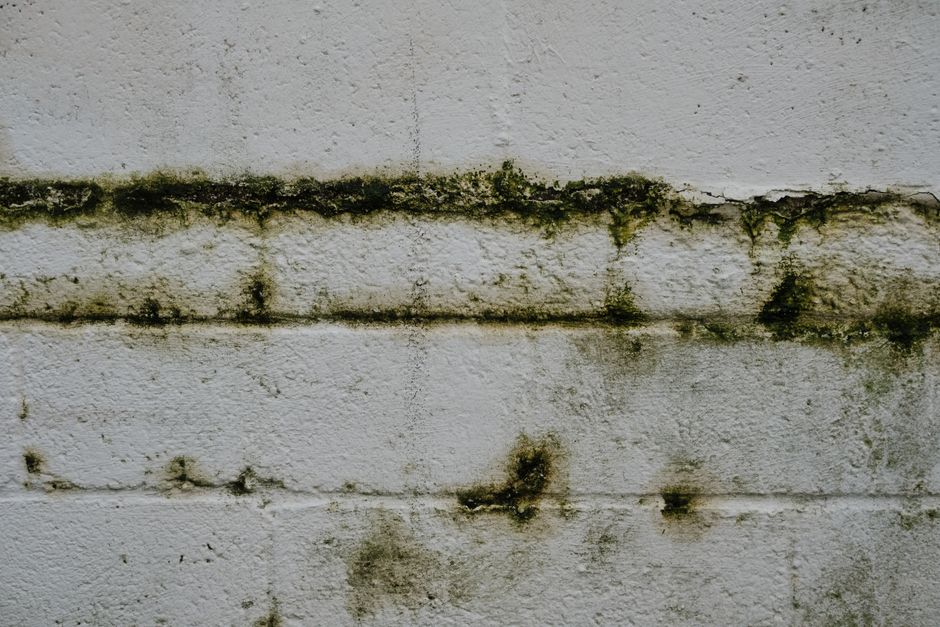
Mould is a living organism that thrives in damp, warm, and poorly ventilated environments. It doesn’t just cling to dirt—it feeds on moisture and organic material like dust, wood, and sometimes even wallpaper glue. So, cleaning is part of the solution but not the entire fix.
Why Mould Returns
The persistent nature of mould is a signal that your home environment—whether its design, materials, or ventilation—is encouraging mould growth. Here are key reasons mould often comes back:
- Trapped moisture: Condensation forming on cold surfaces or leaking pipes. Poor Ventilation: Limited airflow prevents moisture from evaporating. Unsuitable materials: Porous, hygroscopic materials that trap moisture instead of repelling it. Design Details: Layouts or configurations that create hidden pockets where moisture accumulates.
Mould Ventilation: Planning Airflow in Humid Climates
Let’s get this clear from the start: calling mould a “cleaning problem” alone is just ignoring the root cause. In regions like Singapore where humidity hovers near 80% most of the year, mould ventilation matters a lot. Mould ventilation is about planning your home’s airflow strategically to keep all surfaces dry and inhospitable to mould.
Effective Ventilation Strategies
Cross Ventilation: Position windows and vents directly opposite each other when possible to allow fresh air to flow in and stale air to exit. Mechanical Ventilation: Use exhaust fans in bathrooms, kitchens, and laundry rooms to remove moist air actively. Ceiling Fans and Air Movement: Stagnant air breeds mould. Incorporate ceiling fans or air circulators to prevent still corners. Ventilation Schedules: Open windows and doors during non-rainy days, even briefly, to refresh indoor air.Note: Simply installing ventilation devices isn’t enough—placement matters. Fans should exhaust air to the outside, not into ceiling voids or attics where moisture can accumulate unseen.
Common Ventilation Mistakes that Invite Mould
- Sealing homes too tightly without considering mechanical airflow. Air vent blockage by furniture or curtains reducing airflow. Inadequate ventilation during wet seasons or after cooking, showering, laundry.
Designing Out Mould: Material Choices That Matter
Contrary to fluffy advice to “use quality materials,” the right materials for mould prevention are specific: they need to resist moisture, not trap it, and be easy to clean.
Material Type Properties Mould Prevention Features Paint Use high-quality, mould-resistant, waterproof paint for walls and ceilings. Prevents moisture absorption and inhibits mould spore growth. Flooring Non-porous materials like ceramic tiles or sealed concrete. Easy to clean and resist water seepage. Wall Panels Moisture-resistant gypsum boards or cement fibre boards. Prevent disintegration and reduce moisture retention. Sealants & Weatherproofing High-quality silicone or polyurethane sealants around joints. Stop water ingress and air leaks that cause condensation.Always avoid standard wood or MDF in wet zones unless properly sealed and maintained. Porous wall claddings or untreated materials soak up moisture and fuel mould growth.
Layout and Detailing: The Underestimated Mould Prevention Design
Digging deeper into design, home layouts and fine detailing have huge roles in mould prevention. Here are common design errors that cause mould troubles even if your ventilation and cleaning routines are on point:
- Poorly planned corners and cavities: Hidden gaps, behind cabinetry or within false ceilings where air can stagnate. Plumbing encased without access panels: Leaks go unnoticed and water can accumulate inside walls. Rooms without windows or external walls: Interior bathrooms or storerooms lacking proper airflow. Overstuffed room layouts: Blocking airflow routes with bulky furniture or partition walls.
Design Tips to Include for Mould Prevention
Place wet rooms with external walls: Bathrooms and kitchens benefit from direct ventilation routes. Make sure air pathways remain clear: Plan furniture and fittings to not obstruct air vents or window openings. Include easily accessible inspection panels: For plumbing and service areas to check leaks early. Implement controlled shading: Prevent cold surfaces that cause condensation by proper insulation and shading strategies.Conclusion: Mould Is Not Just a Cleaning Problem
Thinking mould is only a cleaning problem is one of the quickest ways to make it return again. In humid climates like ours, mould ventilation, material choice, and thoughtful design detail are every bit as critical as cleaning routines. It’s about tackling moisture at its source. In fact, a healthy home is designed to manage moisture, airflow, and hygiene together.
For ongoing tips on home health, ventilation, and mould prevention design tailored for humid climates, stay connected:
- Follow YourHealthDMV on Facebook for community discussions on home health. Join our professional conversations and updates on LinkedIn under the Stay Connected section.
Remember, nothing beats thoughtful design and good materials to keep mould out for good.
```