In my nine years working within NHS communications and writing for health platforms across the UK, I have heard every question under the sun. But in the last few https://bizzmarkblog.com/is-medical-cannabis-actually-legal-in-the-uk-in-2026/ years, one question has surfaced with increasing frequency: "Is medical cannabis just a way to make getting high legal?"
It is a fair question, born out of a decades-long conflation of two very different worlds. When we talk about cannabis, the cultural memory is often stuck on the illicit, unregulated market. However, in the UK, the conversation has undergone a seismic shift since 2018. To clear up the confusion, we need to strip away the stigma and look at the clinical reality of regulated prescribing.

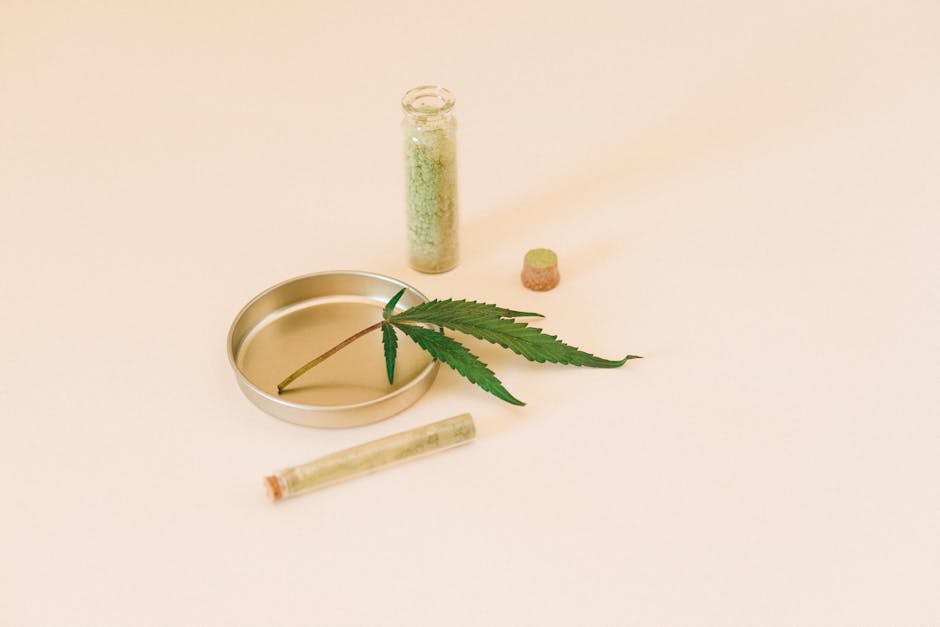
The UK Legal Framework: A History Lesson
First, let’s be clear about what is UK-specific versus what you might read on American health blogs. In the UK, cannabis-based products for medicinal use (CBPMs) were rescheduled in November 2018. This change allowed specialist doctors to prescribe these medicines for specific conditions where other treatments have failed.
Contrary to common internet myths, this was not a "legalisation" of cannabis for recreational use. It was a recognition that for some patients—those suffering from chronic pain, refractory epilepsy, or treatment-resistant anxiety—cannabis-based medicine holds therapeutic potential that traditional pharmaceuticals sometimes lack.
When you access this through legal channels, you are not engaging in a "rebrand" of a recreational activity. You are entering a clinical pathway that operates under stringent government oversight. If you are reading this and thinking about the local illicit trade, stop there: the two have nothing in common regarding quality control, dosage, or intent.
Medical vs. Recreational: The Clinical Distinction
The most important distinction to understand is the difference between *regulated prescribing* and recreational use. This is where most people get tripped up.
1. Standardisation and Consistency
Recreational cannabis is unregulated. You have no idea of the THC-to-CBD ratio, the terpene profile, or—crucially—whether the product has been tested for pesticides, heavy metals, or mould. In the medical market, every batch is tested. When a doctor prescribes a specific strain or oil, the patient is receiving a consistent, standardised dose. You know exactly what is in your medicine, down to the milligram.
2. The Goal of Treatment
Recreational use is typically about seeking an altered state of consciousness—a "high." Medical cannabis, by contrast, is focused on symptom mitigation. When a clinic manages a patient, the goal is "therapeutic threshold"—finding the minimum dose required to provide relief while avoiding the psychoactive impairment that a recreational user might be seeking.
Feature Recreational Use Regulated Medical Cannabis Origin Illicit, black market Licensed producers, pharmacy supply Quality Control None Rigorous (GACP/GMP standards) Dosage Trial and error Titrated by a specialist Objective Intoxication Symptom management (e.g., sleep, pain)Myth vs. Reality: The myth is that medical patients are walking around "stoned" all day. The reality is that if a patient is experiencing significant intoxication, the clinical team will typically adjust the dosage or the formulation. The goal is functionality, not impairment.
Modern Wellness: Beyond Aesthetics
For a long time, the "wellness" industry in the UK was synonymous with aesthetics—skin creams, supplements, and restrictive diets. We are seeing a major shift towards long-term, internal wellbeing. People are burnt out. They are struggling with chronic stress, poor sleep hygiene, and emotional regulation in a world that feels increasingly volatile.
When I speak to clinicians in the space, they aren't talking about "getting high." They are talking about "calibrating." Many patients in the UK are turning to medical cannabis because their nervous systems are in a constant state of "fight or flight." They aren't looking for an escape; they are looking for a baseline where they can function, work, and exist without being overwhelmed by chronic pain or sleeplessness.
The Role of Technology: Telehealth and Portals
The barrier to entry for medical cannabis is intentionally high, and that is a good thing. It isn't as simple as going to a website and clicking "buy." The process involves sophisticated telehealth systems that mimic the rigour of an NHS consultation.
Companies like Releaf have been instrumental in bridging the gap between patient need and clinical oversight. Through their online patient portals, patients aren't just ordering medicine; they are engaged in a structured programme of patient monitoring. This is not a "set and forget" situation.
Patient portals allow for:
- Real-time feedback on how a specific strain is impacting symptoms. Communication with prescribing specialists to adjust titration. Secure logging of side effects and therapeutic outcomes.
Platforms and support services like Captions Nest help navigate this complex landscape, ensuring that patients understand the clinical expectations. These tools turn what could be a chaotic experience into a controlled, scientific journey. If you aren't logging your symptoms or communicating with a consultant, you aren't practicing medical cannabis care—you are simply self-medicating, which brings us back to the risks of the black market.
The Realities of Burnout and Emotional Regulation
Why now? Why is this suddenly becoming a topic of conversation for professionals who have never used substances in their lives? It’s because the traditional medical pathways for conditions like "burnout" or "generalised anxiety disorder" have hit a wall.
In the NHS, we often see patients who have cycled through every SSRI on the formulary, only to deal with side effects that make their original symptoms feel like a picnic. When these patients are exhausted, they look for alternatives. Medical cannabis, when managed properly, can offer an "off-ramp" from the sympathetic nervous system overload. It’s not a miracle cure—it's a tool in the toolkit of a patient who has exhausted conventional options.
Navigating Eligibility: Avoiding the Over-Promise
I have a personal disdain for "miracle cure" claims. If a clinic or a website private medical cannabis prescription cost tells you that medical cannabis will cure your trauma or fix your burnout overnight, run the other way. That is not medicine; that is marketing.
Eligibility in the UK is strict. You must have tried at least two previous treatments (licensed medications or therapies) for your condition without success. This is a "last resort" pathway for a reason. Anyone who tries to sell you on the idea that this is a "quick fix" for a bad week at work is doing a disservice to the patients who truly need this clinical access.
Final Thoughts: A New Standard of Care
So, is medical cannabis just a rebrand of getting high? Categorically, no. If the goal is to get high, the medical system is the worst possible place to do it. It is expensive, the appointments take time, the reporting requirements are tedious, and you are under the watchful eye of a medical professional.
The "rebrand" isn't a marketing gimmick; it’s a shift in legitimacy. We are moving away from the "stoner" stereotype and into a framework where cannabinoid chemistry is treated with the same respect—and the same scrutiny—as any other pharmacological intervention.
If you are exploring this, treat it as a medical journey. Use the portals. Engage with the monitoring. Be honest with your consultants. The stigma persists because people still conflate the two worlds, but the more we focus on the data, the dosages, and the clinical outcomes, the clearer the distinction becomes.
Medical cannabis is not about the high; it’s about the horizon. It’s about being able to see a future where your symptoms don't dictate your ability to live your life. And in modern Britain, that is a legitimate medical necessity, not a recreational hobby.
Disclaimer: This article is for informational purposes only and does not constitute medical advice. Always consult with a registered specialist doctor or your GP before considering any change to your medical treatment. Eligibility for medical cannabis in the UK is determined by specialist clinicians based on your medical history and specific diagnostic criteria.