After eleven years of sitting in newsrooms—the kind of high-octane environments where a buzzing phone is the soundtrack to your lunch break—I developed a unique relationship with anxiety. It wasn't a sudden, crashing wave that forced me to bed. It was a background hum. A low-frequency static that lived under my ribs, telling me that if I stopped moving, everything would collapse.
I’ve spent the better part of the last decade unlearning that reflex. As an introvert living with low-grade, persistent anxiety, the most common question I get asked—and the one I still struggle with myself—is this: How do I know when it’s time to lean into the discomfort and push through, and when is it time to hit the brakes and step back?
There is no universal app for this, and there is certainly no "one-size-fits-all" answer. If someone promises you an instant fix for the stress response, they are selling you a fantasy. But after years of trial and error, I’ve found a framework that actually helps. It’s less about "resilience" and more about honest, brutal self-awareness.

The Difference Between Nerves and Burnout
The first step in making this decision is differentiating between "growth anxiety" and "burnout signals." They feel similar in the gut, but they require wildly different responses.
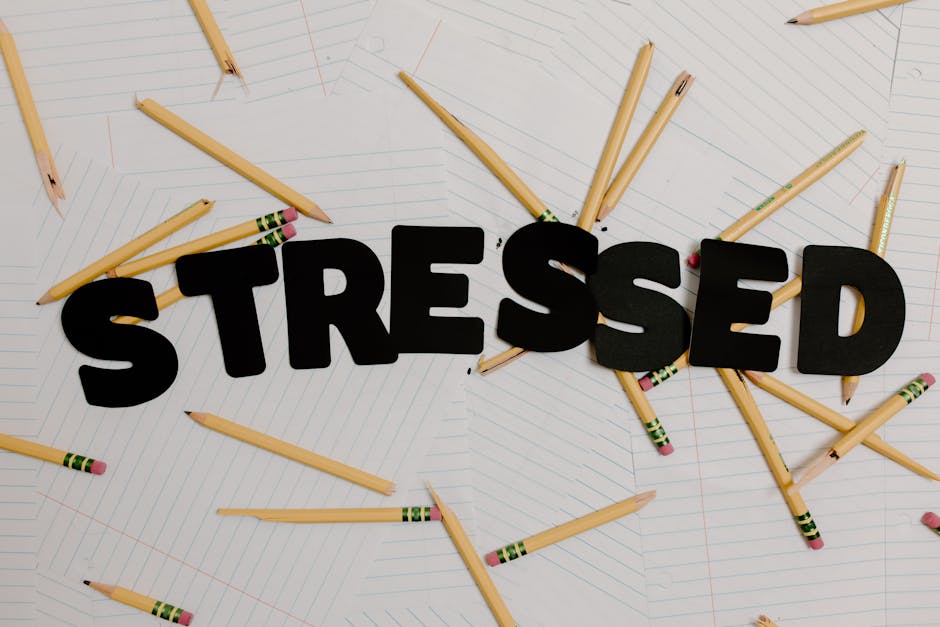
If you are experiencing the latter, "pushing through" is not brave—it’s reckless. Burnout is your body’s way of saying it has run out of gas. You cannot drive a car without fuel, no matter how much you "mindset" your way through the empty tank.
Environment Design: Reducing the Background Noise
I’m an introvert. For me, anxiety is often exacerbated by overstimulation. If I’m feeling that low-grade hum of dread, I don’t start by trying to "meditate it away." I start by looking at my environment. We often underestimate how much our surroundings contribute to our stress response.
If you’re deciding whether to step back, look at your space first:
- Visual Clutter: Does your workspace look like a newsroom floor after a breaking story? Clear the decks. Auditory Control: If you are feeling frayed, stop listening to podcasts or fast-paced music. Move into silence or white noise. Lighting: Harsh overhead lights are often the enemy of a calm nervous system. Swap them for warm, low-level lamps.
Environment design isn't about being a minimalist influencer; it’s about reducing the cognitive load so you have more bandwidth to make an actual decision about your anxiety.
The "Sustainable on a Bad Week" Test
This is my favorite heuristic. Whenever I’m evaluating a commitment or a task that feels like it’s triggering that background anxiety, I ask myself: "Would this feel sustainable if I were having a genuinely bad week?"
We often plan our lives based on our "best day" energy. We think, "Oh, I can definitely attend this networking event, finish this project, and meal prep on Sunday." But we rarely account for the days when the anxiety is loud and the brain fog is thick.
If you cannot imagine doing a task on your worst day, you need to either delegate it, delay it, or delete it entirely. That isn't avoidance; that is smart capacity management.
When the Anxiety Becomes Chronic
Sometimes, the anxiety isn't a result of a busy schedule. Sometimes, it’s a medical reality. If you find that no amount of routine tweaking or environment design shifts the needle, it is time to look at the professional help available to you.
In the UK, for instance, many people navigating the complexities of chronic anxiety conditions look into resources like Releaf to learn more about the evolving landscape of medical introvert burnout symptoms checklist cannabis treatment. While I am not a doctor, I am a firm believer that when self-management tools aren't enough, professional guidance is the most responsible path forward. Ignoring symptoms until they become a crisis is never the "strong" choice.
Predictable Routines vs. Rigid Expectations
The trap I see most often in the wellbeing space is the push for "perfect morning routines." I’ve seen people give up on their mental health because they couldn't get up at 5:00 AM to journal and drink kale smoothies. That’s nonsense.

What helps with anxiety isn't perfection; it's predictability. If you want to lower your background hum, focus on a sustainable rhythm, not an aspirational one:
Anchor Points: Keep one or two things consistent, regardless of how you feel. For me, it’s making the bed and drinking a glass of water before looking at my phone. The "Transition" Ritual: When you finish work, you need a physical signal that the day is done. A change of clothes, a short walk, or washing your hands helps the brain shift gears. Low-Stakes Joy: Schedule 15 minutes of something that requires zero performance. Reading, petting a dog, or watching a comfort show.The Verdict: When to Step Back
So, when do you step back? You step back when the cost of pushing forward is your long-term health. If you are feeling a sense of dread that persists even after you've slept, eaten, and cleared your calendar, listen to that signal.
Society loves to laud the person who "powers through." But in my years of editing, the people who were truly successful—and, more importantly, sane—were the ones who knew when to go quiet. They were the ones who understood that the goal isn't to be a machine that never breaks; the goal is to be a person who knows how to mend.
Next time that familiar hum of anxiety starts rising, don't rush to fight it. Stop. Look around your room. Ask yourself if this is introvert burnout just nerves or genuine depletion. And please, for the love of all that is quiet, let yourself be a little less productive if that’s what your nervous system needs today. You don't owe your peace of mind to your to-do list.