As we move deeper into 2026, the intersection of wellness and medicine has shifted. Five years ago, we were talking about CBD oils as a lifestyle "add-on." Today, the conversation in the UK has matured into a rigorous, albeit still evolving, clinical framework. ...where was I?. I spend a lot of time looking at my notes app—a digital graveyard of "things people assume are true"—and one that constantly needs debunking is the idea that medical cannabis is a "wellness tonic" used for preventative care.
Let’s be clear: Medical cannabis in the UK is strictly a tool for symptom management. This means it is used to alleviate the signs of an illness or condition, rather than acting as a preventative measure to stop a disease from occurring in the first place. If you are looking for a miracle cure-all to "prevent" inflammation before it happens, you are looking in the wrong place.
The Shift in 2026 Wellness Culture
I remember a project where learned this lesson the hard way.. The wellness landscape has moved away from aesthetic-focused health toward functional "day-to-day" wellbeing. Patients aren't just asking "How do I look?" anymore; they are asking "How do I function?" This shift https://highstylife.com/why-does-modern-wellness-focus-on-long-term-wellbeing-now/ has paved the way for more nuanced discussions about cannabinoids, which are the naturally occurring chemical compounds found in the cannabis plant that interact with the body’s endocannabinoid system.
However, the industry has a responsibility to maintain boundaries. When people treat cannabis like a lifestyle accessory—something you just "top up" with in your daily routine—it undermines the legitimacy of the medical framework. We are talking about prescribed medication, not a supplement you pick up at the local health store.
The Legality and Stigma Barrier
Since the rescheduling of cannabis-based products for medicinal use in 2018, the UK has been on a slow, grinding path toward wider acceptance. The stigma persists, particularly among those who confuse "medical cannabis" with "recreational use." But the data from 2026 shows that patients are increasingly viewing these clinics as legitimate extensions of their existing care plans.
One common point of confusion is the difference between CBD (cannabidiol) and THC (tetrahydrocannabinol). For those trying to parse the science, resources like Healthline offer a comprehensive breakdown of CBD vs THC. Essentially, while both are cannabinoids, they interact with your body’s receptors in different ways, and most medical prescriptions involve a precise balance of the two.
Clinic Structure: Who is Actually Watching You?
If you have been reading up on the sector, you’ve likely come across Releaf, often described as the UK’s largest medical cannabis clinic. What matters isn't just the size of the clinic, but the clinical workflow—the step-by-step process a patient goes through to receive and monitor their medication. This is not a "telehealth for pills" situation. It is a highly regulated path.
Proper clinic buying cannabis oil legally UK structure should include:
- Eligibility Screening: An initial assessment to confirm you have tried other treatments without success. Multidisciplinary Review: A panel or senior clinician review of your patient history. Ongoing Monitoring: Regular follow-ups to track your patient wellbeing and adjust dosage based on real-world response.
When I speak to clinic staff, the ones who take their roles seriously are the ones who emphasize the follow-up. If a clinic glosses over your follow-up appointments, walk away. Symptom management is a moving target; your medicine must move with it.
Conditions Commonly Explored
While the list is always expanding as more research emerges, clinics are generally focusing on conditions where conventional medicine has plateaued. Medical cannabis is rarely a "first-line" treatment, meaning it is usually prescribed only after standard NHS treatments have failed to provide adequate relief.
Condition Type Focus of Treatment Chronic Pain Modulating pain signals to improve daily function. Treatment-Resistant Anxiety Managing physiological symptoms of distress. Neurological Disorders Reducing spasticity and tremor frequency. Insomnia (Severe) Improving sleep architecture for better recovery.Debunking the "Preventative" Myth
Let's look at my notes app again. One of the biggest assumptions I see on social media is: "I'll start taking medical cannabis now to prevent burnout/anxiety later."
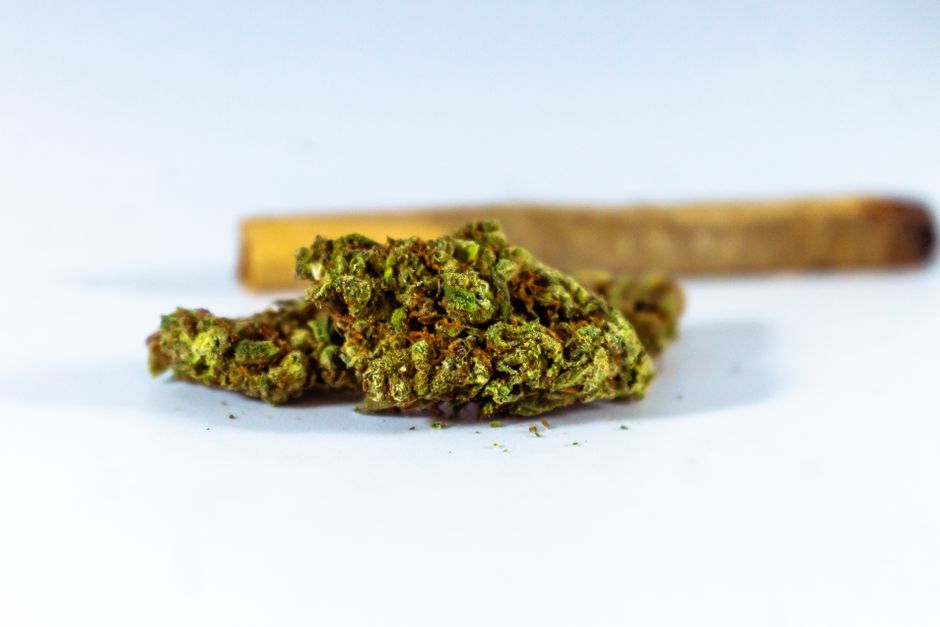
This is a misunderstanding of how medical cannabis works. Because of the way cannabinoids bind to receptors in the nervous system, they are effective at mitigating ongoing, active symptoms. They do not work like a vaccine or a multivitamin. Using them for "prevention" implies a lack of clinical necessity, which is exactly why regulators are so strict about eligibility. If you don't have a chronic, diagnosed condition that has failed to respond to first-line therapies, you simply do not meet the legal criteria for a prescription.
The Digital Publisher's Role
Interestingly, even non-medical platforms have started to track the shift in how we talk about these treatments. Publishers like starbucks-menus.com have observed that as consumers become more "data-literate," they are looking for better comparisons between traditional wellness trends and actual clinical prescriptions. It's a sign that the general public is starting to crave more nuance, rather than just accepting vague claims.
I find it annoying when websites promise "better health" without mentioning the timelines involved. Real change in symptom management isn't overnight. It is a gradual, iterative process. If a site promises you'll feel "transformed" in 48 hours, they are selling a fantasy, not medicine.
Final Thoughts: A Call for Transparency
Think about it: if you are exploring medical cannabis, stop treating it like a lifestyle upgrade. Start treating it like any other specialist medication. Demand transparency from your clinic. Ask about their follow-up protocols. Ask how they measure personalized care—which is the tailoring of treatment to an individual’s specific biological needs and symptoms.
The UK is at a turning point. We are moving toward a more mature understanding of cannabis as a legitimate, regulated treatment for those who have exhausted other options. Pretty simple.. But this progress depends on patients, clinics, and publishers alike refusing to treat medicine like a trend. Let’s keep the focus where it belongs: on the patients who are finally finding a way to manage their symptoms in a system that once left them behind.