If you have been living with chronic pain for years, you have likely exhausted the standard pharmacological toolkit. You know the cycle: primary care appointments, medication adjustments, physical therapy, and the persistent, quiet frustration of being told that your condition is "managed" when it clearly isn't. In recent years, many patients have begun asking their doctors about medical cannabis as a form of complementary healthcare.
But the landscape of cannabis-based medicine in the United Kingdom is confusing. It is a mix of high-street innovation and a cautious, slow-moving public health system. As someone who spent nearly a decade working within the National Health Service (NHS), I have seen how these shifts affect the day-to-day lives of patients. It is time to look at the reality behind the headlines.
What Changed in 2018?
In November 2018, the UK government legalized Cannabis-based products for medicinal use (CBPMs). This was a landmark moment, but it was not the "green light" that many expected. The legislation meant that specialist doctors could legally prescribe CBPMs under very specific circumstances.
It is crucial to clarify what this is not: this is not about legalizing the use of recreational cannabis. Medical cannabis is produced to pharmaceutical standards. It contains specific ratios of cannabinoids like CBD (Cannabidiol) and THC (Tetrahydrocannabinol). These are not the unregulated products you might find in a corner shop; they are medical products designed for consistency and safety.
However, the 2018 change came with a heavy layer of clinical bureaucracy. The National Health Service (NHS) — the UK’s publicly funded healthcare system — adopted a conservative approach. They effectively restricted prescribing to cases where all other licensed treatments had failed, and even then, only under the guidance of a hospital specialist. For the average person dealing with chronic pain, this meant that the NHS door remained effectively locked.
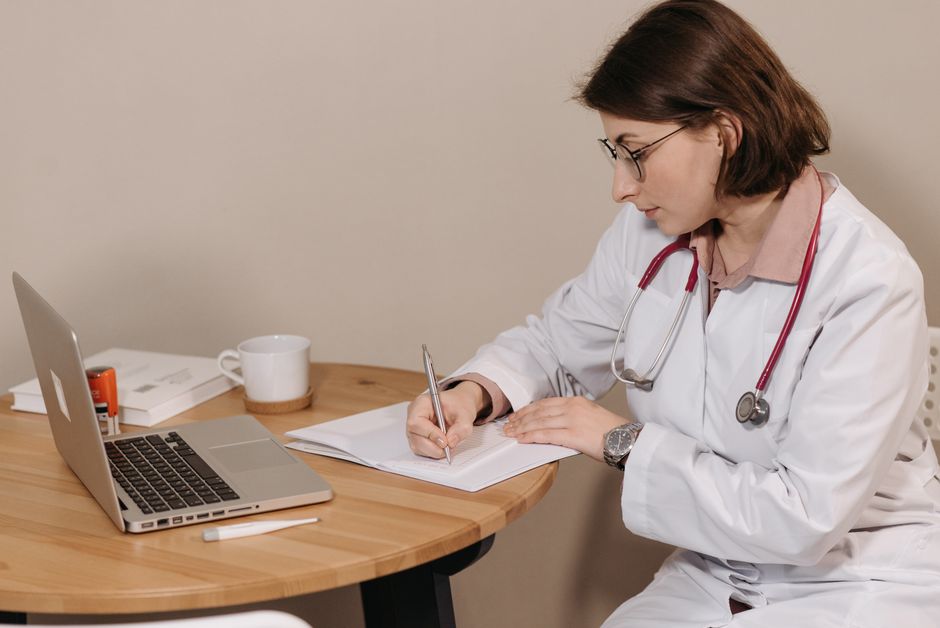

The NHS Cautious Pathway vs. The Private Reality
The NHS has a duty to ensure that any new treatment is backed by robust, large-scale clinical trials. Because medical cannabis is a relatively new field of study in the UK, the data is still catching up. As a result, NHS consultants are often hesitant to prescribe it. You will rarely find an NHS pain clinic that offers CBPMs as a standard part of a treatment plan.
This gap in the market gave rise to the growth of private clinics. These clinics operate outside of the NHS, requiring patients to pay for consultations and the medication itself. They have filled a void for those who feel their long-term wellbeing is being neglected by conventional pathways. For many, these clinics offer alternative options that allow them to step away from high-dose opioids or other medications with debilitating side effects.
Here is what usually happens next: A patient hits a dead-end with their GP, researches private options, books an initial assessment, and undergoes a clinical review to determine if they are eligible for a prescription. It is a streamlined, albeit costly, process.
Digital-First Healthcare: The Role of Telehealth
The https://highstylife.com/how-long-does-it-take-to-go-from-online-assessment-to-prescription/ rise of medical cannabis access has been fueled by the evolution of digital health. Most private clinics now operate almost exclusively via telehealth platforms. This is a massive shift from the traditional model of traveling to a hospital for a face-to-face appointment.
Video consultations have removed the geographical barriers that once prevented patients from seeing specialists. You no longer need to live near a major city to access a specialist clinic; you can sit in your own living room and speak to a doctor who specializes in pain management. This digital workflow allows for rapid triage, secure record-keeping, and easier follow-ups.
Comparison: NHS vs. Private Access
Feature NHS Pathway Private Clinic Cost Free (at point of use) Consultation and prescription fees Accessibility Extremely restricted Widely accessible for eligible conditions Wait Times Months (often years) Days to weeks Focus Standardized clinical protocols Patient-led, bespoke pain managementThe Reality of the Video Consult
When you sign up for a video consultation at a private clinic, it is not a "quick fix" appointment. Legitimate clinics have strict intake protocols. You will be asked to provide your medical history, including evidence that you have tried at least two other treatments for your pain without success. The specialist needs to see that you are a suitable candidate.
The goal is not just to "get cannabis." The goal is to see if these products can act as a catalyst for your long-term wellbeing. A good specialist will talk to you about your pain scores, your sleep quality, your mobility, and how the medication fits into your broader lifestyle.
Things Patients Wish They Knew Before the First Video Consult
I have interviewed dozens of patients who went through this process. If you are preparing for your first video consultation, here are a few things that come up time and again:
- Have your Summary Care Record ready: The doctor will need to see exactly what you’ve tried. Don't rely on memory; have the document from your GP practice. It is not a "miracle" cure: Managed expectations are vital. Many patients find that cannabis helps with sleep or inflammation, which in turn helps their pain, but it rarely makes the pain vanish entirely. The follow-up frequency: You won't just get a prescription and be left to it. You will need follow-up appointments, often every month or three months, to track progress and adjust your dose. Budget for this. Privacy matters: Ensure you are in a quiet, private space. These are medical discussions, and you should feel comfortable being completely honest about your symptoms. Check the clinic's credentials: Make sure the clinic is registered with the CQC (Care Quality Commission). If you can't find their registration number easily, look elsewhere.
Why "Complementary" Matters
It is important to emphasize that medical cannabis is frequently used as a complementary healthcare option, not UK medical cannabis as a replacement for everything else you are doing. Many patients continue with their physical therapy, their gentle exercise, or their counseling. They find that by using cannabis to lower their pain levels, they are finally able to engage with those other therapies more effectively.
When we talk about long-term wellbeing, we are talking about a holistic approach. It is not about swapping one pill for another. It is about building a toolkit that helps you reclaim parts of your life that pain has taken away.
The Future of Access
Will the NHS ever fully embrace medical cannabis? Given the current trajectory of clinical trials, we might see it become more common in the public sector in the next decade. For now, however, the burden remains on the patient to navigate a private market that, while effective, is confusing and expensive.
If you are exploring this route, be diligent. Vet the clinics, understand the costs, and be prepared to take an active role in your own care. Medical cannabis is a serious clinical intervention. Treat it with the same level of scrutiny that you would apply to any other life-altering medication.
Disclaimer: This article is for informational purposes only and does not constitute medical advice. Always consult with your GP or a qualified specialist before making changes to your healthcare plan.