If you have spent any time on social sharing platforms lately—be it scrolling through a heated debate on Reddit, catching up on threads on X, or seeing wellness advice pop up on LinkedIn or Facebook—you have likely seen CBD mentioned as a "miracle" for everything from midnight anxiety to general midlife fatigue. Let’s cut through the noise: there is no miracle in a bottle. As someone who has spent the last decade-plus parsing health trends, I’ve learned that the most effective wellness tools aren't the ones that promise an overnight transformation; they are the ones that actually hold up on a bad Tuesday.
When we talk about using CBD for stress or sleep, we aren't talking about a magic switch. We are talking about potential support. But before you spend a penny or change your routine, we need to talk about what "responsible use" actually looks like. Can you keep up this regimen when your boss is yelling, the house is a mess, and you’re feeling completely burnt out? If the answer is no, we need to rethink the strategy.
What Does the Evidence Say?
The first thing I tell anyone interested in supplements is to check the official guidance. When in doubt, start with the NHS website. The NHS provides a clear, balanced perspective on CBD, acknowledging that while it is becoming more widely available, we still lack robust, long-term clinical data to support many of the wild claims you see in flashy advertisements.
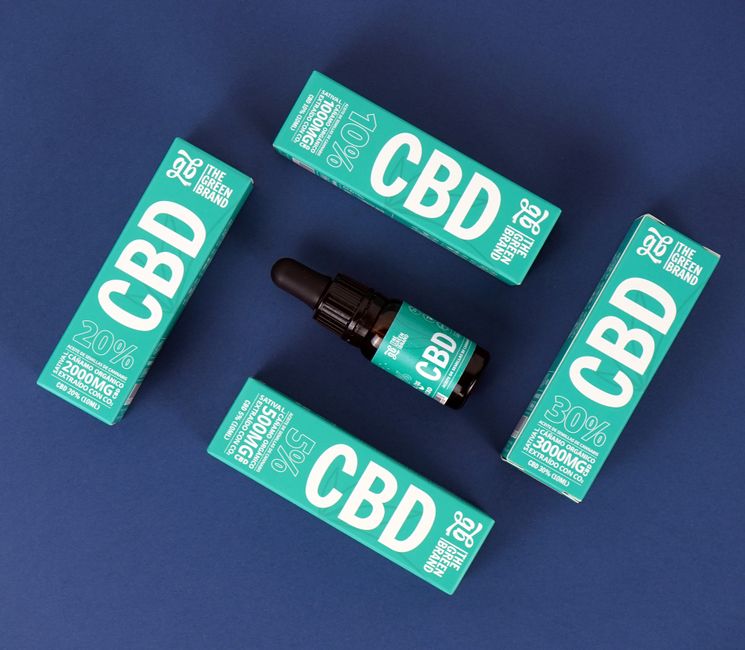
CBD (cannabidiol) is a chemical found in cannabis. Unlike THC, it doesn't get you "high." Many people turn to it for its potential to help regulate the nervous system or ease the physical manifestations of stress. However, as your editor and advocate for sustainable health, I want to be crystal clear: CBD is not a substitute for the fundamental pillars of health. If your sleep is suffering, a tincture won't fix a lifestyle that lacks basic hygiene.
The Common Mistake: The Price Trap
One of the biggest pitfalls I see in the wellness industry is the "Price Equals Quality" fallacy. Many people assume that if they pay $150 for a bottle of CBD oil, it must be better than the $30 version. This is rarely the case.
Marketing budgets drive up prices, not necessarily purity or efficacy. When looking for a product, don't look at the luxury branding or the price tag. Look for transparency. Organizations like Releaf (releaf.co.uk) emphasize the importance of understanding exactly what you are consuming. Responsible supplement use means verifying third-party testing and looking for clear labeling of cannabinoid content. If a company hides their lab reports behind a wall of "miracle" claims, keep your wallet in your pocket.
What to Look for vs. What to Avoid
Look For Avoid Third-party lab certificates (COA) Claims of "curing" anxiety or insomnia Clear, honest dosage guidance "Miracle" or "Life-Changing" marketing Simple, ingredient-transparent labels Overly expensive "luxury" packaging Consultation with a GP Taking it as a replacement for necessary medsThe Four Pillars: Sustainability Over Quick Fixes
If you are looking at CBD for stress or sleep, it should act as a scaffold for a healthy life, not the foundation. In midlife, our bodies respond best to consistency. Here is how to build a routine that survives the "bad Tuesday" test.
1. Sustainable Nutrition Habits
You cannot supplement your way out of a poor diet. If your blood sugar is on a rollercoaster because you skipped lunch or relied on caffeine, no amount of CBD will effectively calm your nervous system. Focus on whole foods, adequate protein, and hydration. Simple, boring, consistent nutrition is the ultimate stress-reducer.
2. Consistent Low-Impact Movement
We often overcomplicate exercise. You don't need a high-intensity gym membership to manage midlife stress. A 20-minute walk, some light mobility work, or stretching in your living room works wonders. Movement signals to your brain that you are safe and capable. It is the best natural medicine for shifting a stuck, stressed state.
3. Sleep Hygiene and Routine
This is where CBD is most frequently trialed, but it fails if your sleep hygiene is non-existent. You can take all the oil in the world, but if you are staring at a blue-light-emitting screen until 1:00 AM, you are fighting a losing battle.
- Create a "digital sunset": Turn off screens 60 minutes before bed. Keep the room cool. Establish a rhythm: Wake up and go to bed at the same time, even on weekends.
4. The "Tiny Changes" Philosophy
My running list of "tiny changes that actually stick" is designed for the person who has zero time.
The 10-Minute Wind Down: Instead of rushing to bed, spend 10 minutes doing something that requires zero screen time—reading, folding laundry, or breathing. The Morning Sunlight Habit: Open your curtains immediately. That simple blast of light resets your circadian rhythm better than any supplement ever will. The Hydration Anchor: Drink a full glass of water before you have your first coffee.How to Approach CBD Responsibly
If you decide to incorporate CBD into your life, treat it like an experiment, not a cure. Start low and slow. Keep a simple journal for two weeks. Note your sleep quality and your stress levels. If you aren't seeing a difference, stop. There is no point in continuing to use a supplement that isn't providing a measurable benefit.
For those looking for resources, sites like Fifties Web often offer great perspectives on navigating midlife transitions without getting lost in the marketing hype. Use these communities as a sounding board, but remember: your own data is the only data that matters.
A Note on "Before-and-After" Culture
I steer clear of "before-and-after" photos and anecdotes. They are often misleading and designed to shame you for where you are currently starting. You don't need to be "fixed." You are in a phase of life where your needs are changing, and your health routine needs to evolve to support that. If a company uses shame-based language—suggesting you'll "look old" or "fail" if you don't buy their product—please, close the tab. You deserve better than fear-based marketing.
The Bottom Line
Can you do this on a bad Tuesday? That is my golden rule. If your CBD routine requires three different droppers, a specific temperature, and a complicated timing low impact exercise 50s schedule, you will quit the moment things get busy. If your routine is simple, sustainable, and supported by a solid lifestyle foundation, it has a much higher chance of actually helping.
Be skeptical of miracle claims. Consult your GP if you are taking other medications (as CBD can interact with certain prescriptions). Focus on the basics of nutrition, movement, and sleep first. Use supplements to bridge the gap, not to build the bridge itself. And above all, give yourself the grace to adjust as you go. You aren't aiming for perfection; you're aiming for a version of yourself that feels a little more at ease, one Tuesday at a time.
Disclaimer: I am a health editor, not a clinician. This content is for informational purposes only and does not constitute medical advice. Always check the latest guidelines on nhs.uk and speak with your doctor before starting any new supplement regimen.